A lot of the conversations people have about divorce focus on the court process, the lawyers, the paperwork. The property question comes later — but it tends to be the one that lingers longest, because the answer affects where you live and how much money you walk away with.
If you own an HDB flat and you’re going through a separation, here’s a plain-English look at where things typically land.
The court decides first, HDB executes second
This is the part most people don’t realise until they’re in it. The Family Justice Court handles the division of matrimonial assets, which includes your HDB flat. Once the Ancillary Matters order is issued, you take that order to HDB and execute whatever was decided — retain, transfer, or sell.
The timeline between the two can be months apart. HDB won’t act on anything until the order exists.
Option 1: You keep the flat, your spouse leaves
The staying party needs to meet HDB’s eligibility criteria — citizenship, age, income ceiling, and the flat must have cleared its Minimum Occupation Period. The spouse leaving has their CPF refunded (with accrued interest) back to their CPF OA. This comes out of the buyout, which can significantly reduce how much the leaving party actually pockets.
Option 2: You both sell
If neither party is eligible to retain, or if both want a clean break, the flat goes on the open market. MOP must be cleared first. Proceeds are divided per the court order.
Option 3: Transfer to one party by agreement
If both sides agree on who keeps the flat and the terms, it can be executed as a transfer directly with HDB without going through open market. Still needs all the eligibility checks to pass.
The part that catches people off guard
CPF refund obligations. Many couples assume the buyout amount is simply half the flat’s value. It’s not — the party leaving has their CPF refunded first, with interest, before anything else is calculated. Depending on how much CPF was used over the years, this can dramatically shift the actual cash outcome for both parties.
There are also edge cases around flats with short remaining leases, flats in estates with deceased co-owners, and situations where one party has already bought another property. Each changes the rules.
For a full breakdown of how HDB divorce works in Singapore — eligibility requirements, CPF refund mechanics, what happens when both parties disagree — this guide on HDB after divorce in Singapore is worth reading before you make any decisions.
What Affinity residents should know
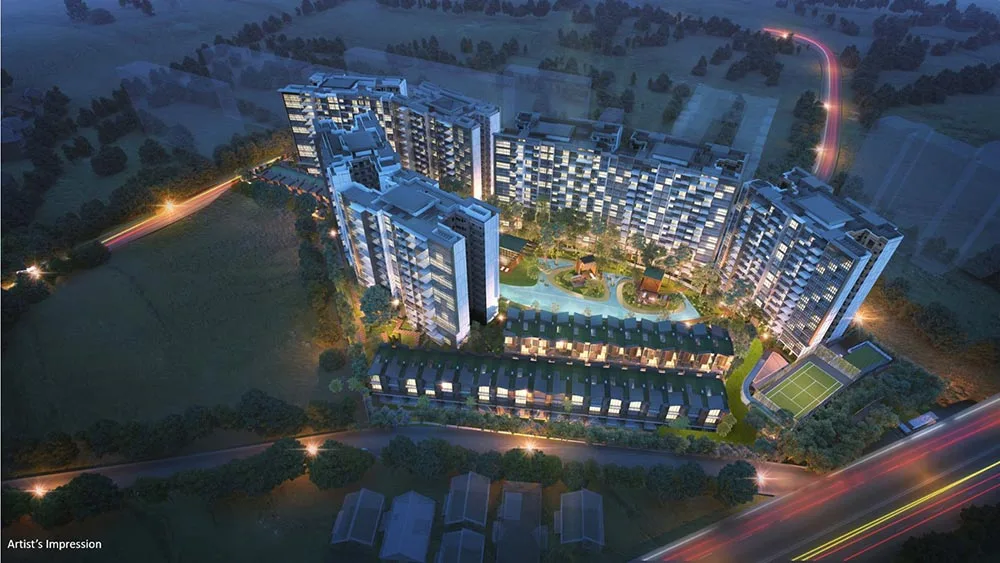
Upgraders from HDB often still hold their previous flat — rented out, waiting on MOP, or in limbo. If a separation happens during that period, both properties are in scope for the court’s division order. The HDB rules and the private property rules operate separately but the financial outcomes are linked.
Getting clear on the HDB piece first saves a lot of confusion later.